












Most mornings follow the same script.
Cars inch forward. Kids hop out with backpacks. A quick drop-off and everyone moves on.
Now picture something different.
A group of kids riding together. Parents and teachers alongside them. A rolling line of bikes moving through the neighborhood like a school bus, just on two wheels.
It’s called a Bike Bus. And once you see one, it sticks with you.
So, What Is a Bike Bus?
A Bike Bus is a group ride to school with a set route, planned “stops,” and adult supervision along the way.
Kids join at different points, just like a bus route. Volunteers ride with them to keep things organized and safe. By the time they reach school, they’ve already started the day moving, talking, and waking up in a way a car ride just doesn’t offer.
It’s simple. That’s the point.
Why It’s Growing Fast
Bike Bus World has helped turn this into a national movement, giving communities the tools to launch their own Bike Buses.
Since 2022, co-founder Sam Balto, also known as Coach Balto, has helped expand the concept to hundreds of programs across the U.S. and even more worldwide.
“We didn’t invent something new," says Coach Balto. "We just brought back something that used to be normal, kids getting to school together, under their own power, connected to their community.”
What’s surprising is where they’re showing up. Not just major bike cities, but suburbs and everyday neighborhoods where biking to school wasn’t previously part of the routine.
It works because it starts small.

What Kids Get Out of It
The impact shows up quickly.
Kids arrive at school more alert and more social. That early movement helps them settle in faster and engage sooner.
As Coach Balto explains, “The Bike Bus isn’t just about getting to school. It’s about giving kids a better start to their day, and giving communities a reason to show up for each other.”
There’s also a confidence piece. Riding in a group builds independence in a way that feels natural. It gives kids a sense of ownership over their commute and a shared experience with friends.
For many families, it becomes something kids look forward to, not something they rush through.
It’s a Community Thing
Bike Buses don’t run without people. That’s part of what makes them work.
Parents, teachers, and volunteers ride alongside kids. Sometimes local leaders join in too.
In Tempe, groups like Tempe Bicycle Action Group help organize regular Bike Bus routes, bringing together families and advocates to support the effort.
When a Bike Bus rolls through, people notice. It shifts how biking is seen in the community, even for those just watching from the sidewalk.

Where eBikes Help
Not every adult volunteer is a regular cyclist, and that can be a barrier.
eBikes help remove it.
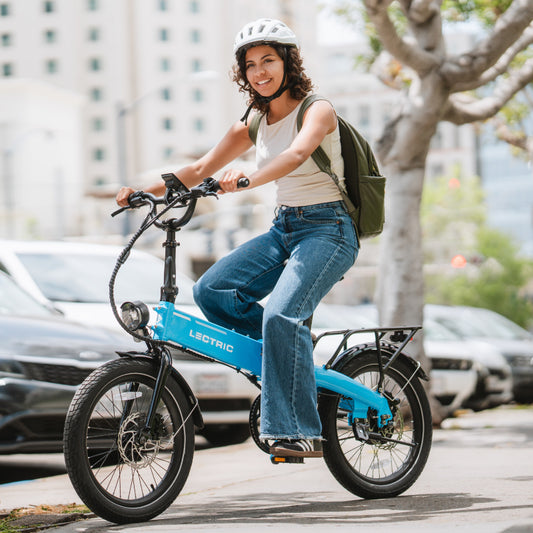
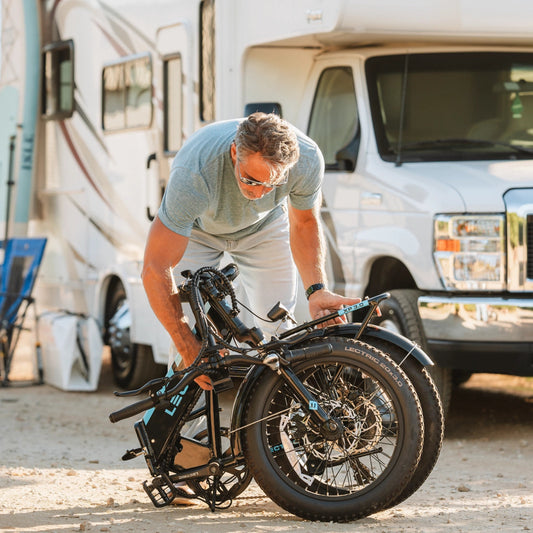
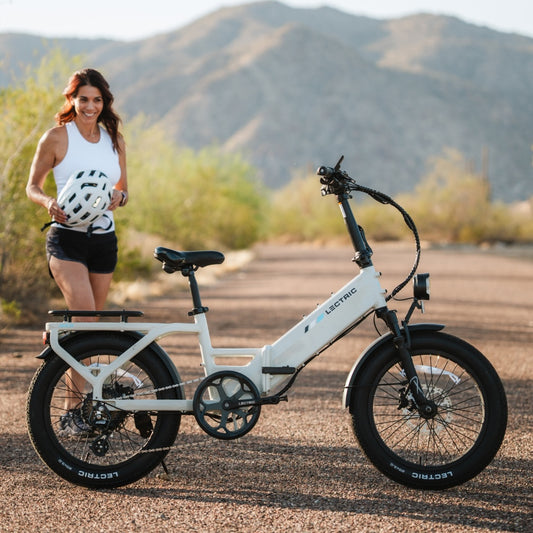
They make it easier for more people to join, keep pace with the group, and show up consistently. That matters, especially when rides include a mix of ages and abilities.
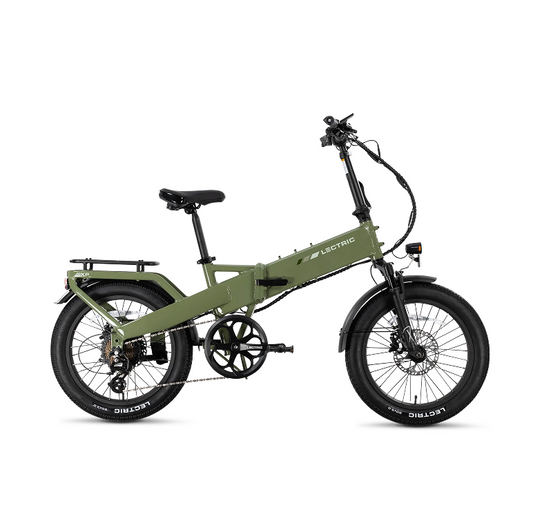
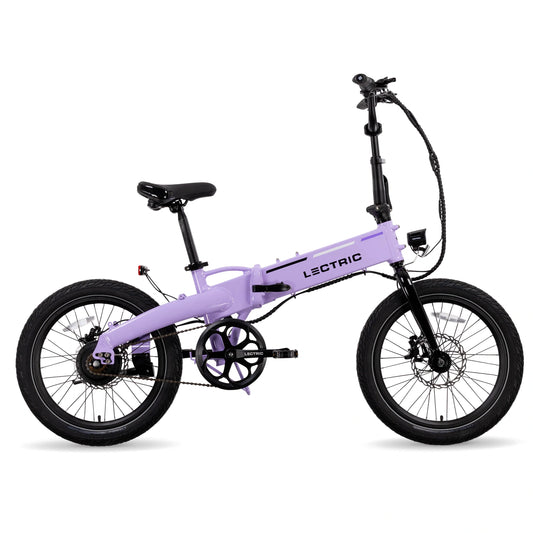
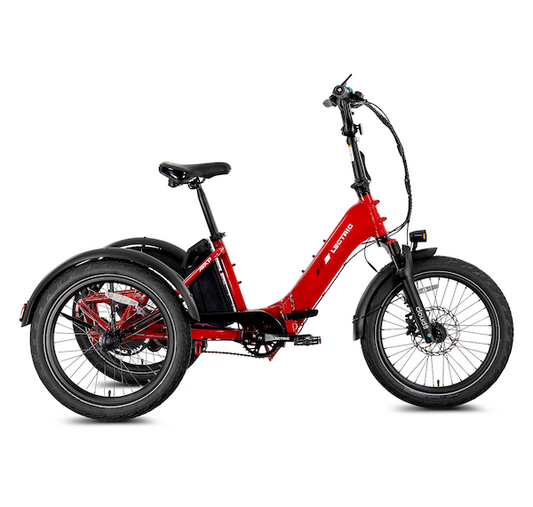
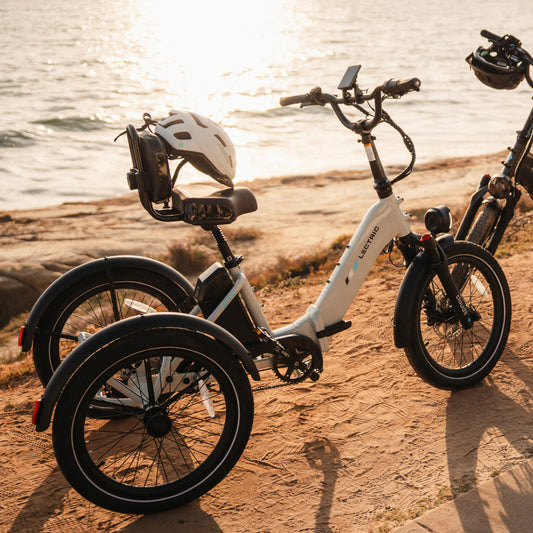
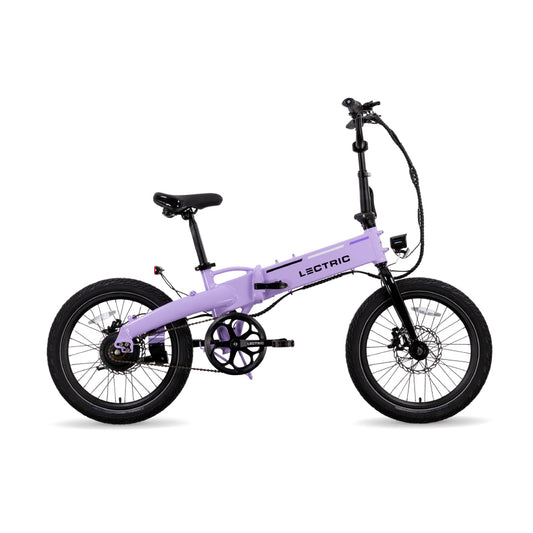
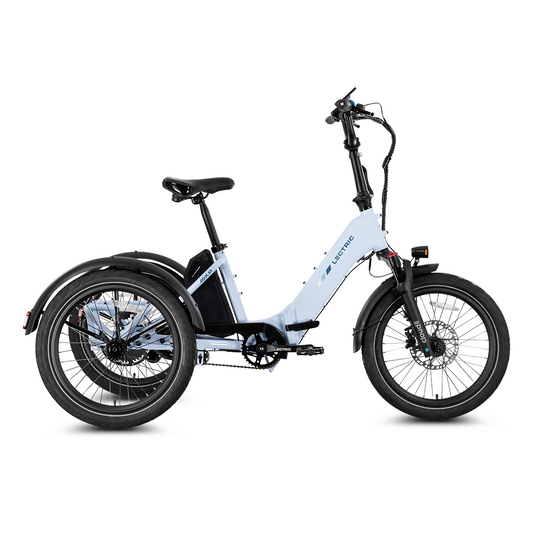
That’s part of why Lectric has supported Bike Bus efforts by helping schools create small “lending libraries” of bikes for staff and volunteers.
More riders means more support. More support means the ride keeps going.
What It Looks Like
A Bike Bus doesn’t feel like a formal program.
It feels like momentum.
Kids picking up friends along the route. Bells ringing. Conversations happening before the school day even starts. Adults riding alongside, keeping things steady but letting kids lead the energy.
And almost always, someone watching and thinking they could do the same where they live.
How to Start One
It doesn’t need to be complicated. "In fact," says Coach Balto, “nothing about the Bike Bus is complicated. That’s exactly why it works. When you make it easy for kids to show up together, everything else starts to change.”
Most Bike Buses begin with a small group and a simple plan. One route. One day a week. A handful of riders.
From there, it grows.
Bike Bus World offers guidance on everything from planning routes to organizing volunteers and working with schools.
If you’re thinking about starting one, keep it practical:
Start with a conversation between a few parents or teachers.
Pick a route that feels safe and manageable.
Choose a consistent day to ride.
Then get rolling!