




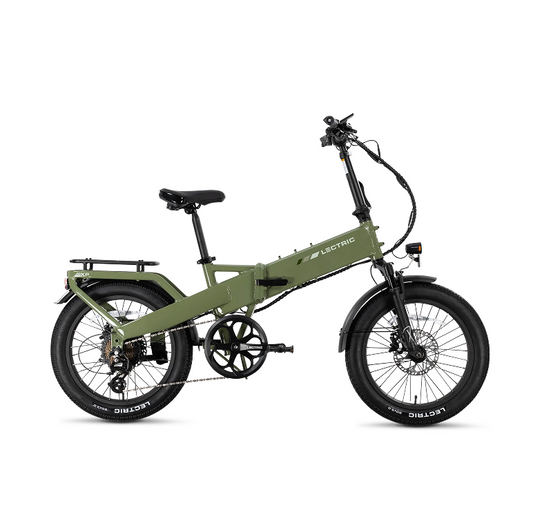
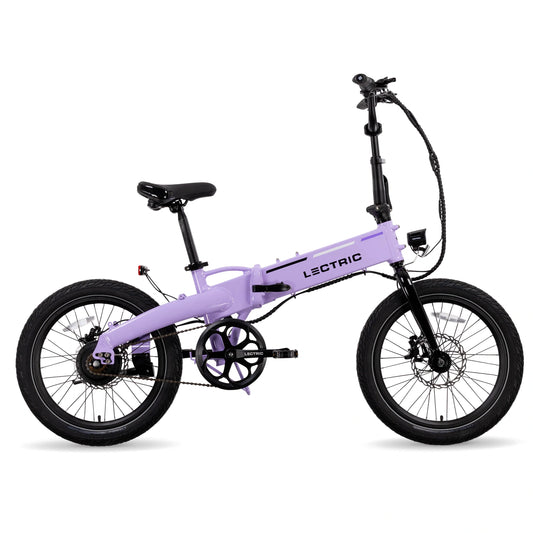
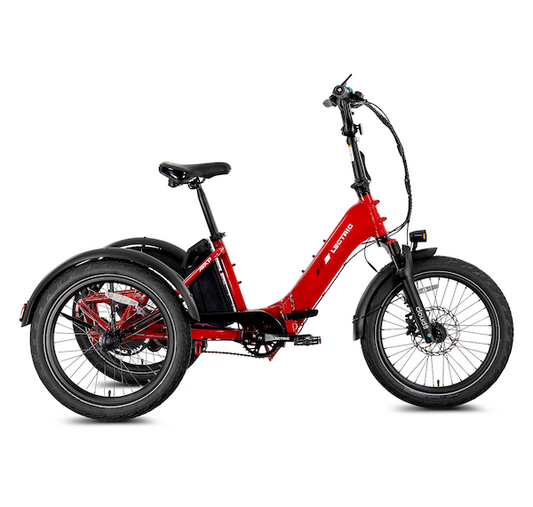



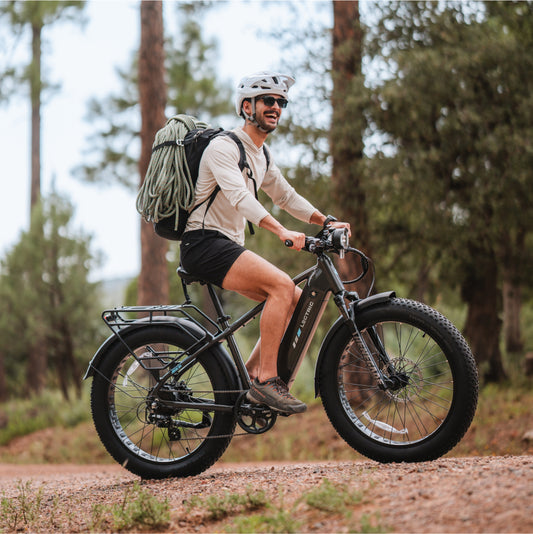







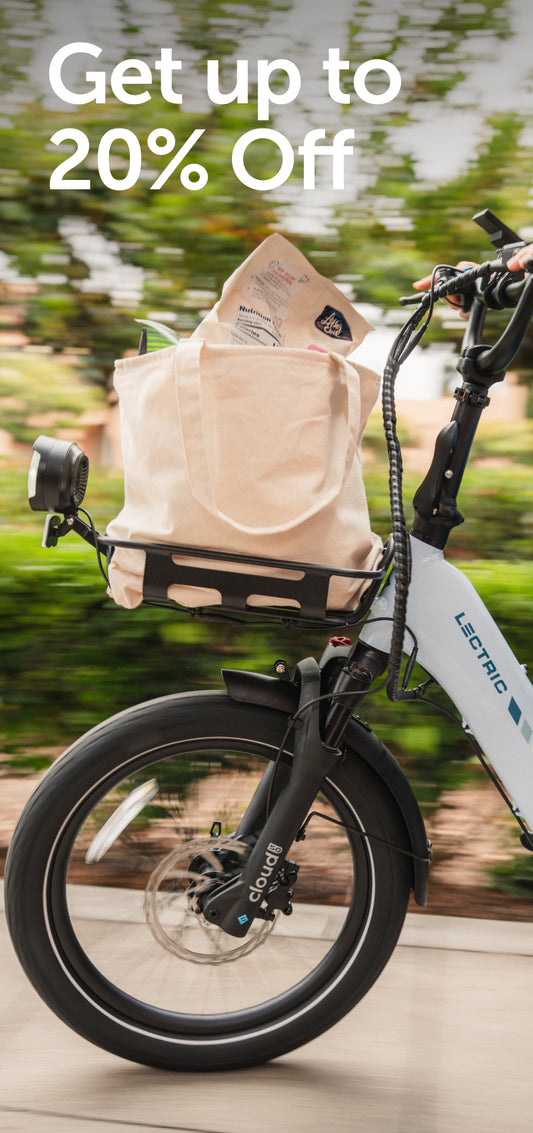




Tires rarely get the spotlight in eBike conversations—but they quietly shape every ride. Comfort, traction, noise, confidence, and even how predictable your bike feels at low speeds all start where rubber meets the road.
Lectric offers several tire options not to overwhelm riders, but to match how people actually ride: commuting, carrying cargo, exploring trails, or extending the season into winter. Understanding why those options exist—and when it might make sense to change them—helps you get more enjoyment out of the bike you already own or the bike you may be considering.
This guide breaks down Lectric tire types, tread styles, and sizing in plain language, then offers practical tips on when and why to replace tires proactively, not reactively.
Why Tire Choice Shapes the Ride
Tires influence far more than people expect:
-
How smooth the bike feels over cracks and bumps
-
How stable it feels when starting, stopping, or riding slowly
-
How confident you feel on gravel, dirt, or uneven pavement
-
How quiet the ride is
- How predictable braking feels
Unlike many components, tires interact directly with terrain. Change the tire, and the bike’s personality subtly changes with it.
That’s why Lectric doesn’t treat tires as one-size-fits-all.
The Three Things Every Lectric Tire Is Designed Around
Before diving into specific options, it helps to understand the fundamentals behind tire design.
1. Tread: How Grip Is Created
Tread determines where traction comes from.
-
All-terrain tread
Features small knobs or texture that grip pavement while still biting into gravel, dirt, or grass. This is the most versatile option.
-
Street (slick) tread
Minimal pattern designed to roll smoothly and quietly on pavement. Ideal for riders who rarely leave asphalt. -
Studded winter tread
Built specifically for ice and packed snow, where rubber alone struggles to grip.
Each tread style prioritizes different riding conditions—none are “better,” just better suited.
2. Width: Comfort vs. Efficiency
Tire width affects how much rubber contacts the ground.
-
Narrower tires (2.4”–2.6”)
Feel firmer and roll more efficiently. Great for smooth pavement and longer rides. -
Mid-width tires (3.0”)
Balance comfort, grip, and efficiency. A strong all-around choice. -
Fat tires (4.0”)
Offer maximum stability, shock absorption, and confidence—especially when carrying weight.
Wider tires naturally smooth out rough surfaces, while narrower tires feel more direct and responsive.
3. Diameter: How the Bike Rolls
Lectric primarily uses two diameters:
-
20” wheels
Compact, maneuverable, and stable—ideal for folding bikes, cargo setups, and urban riding. -
26” wheels
Roll more easily over obstacles and feel more at home on longer rides and varied terrain.
We also offer one additional diameter option that more closely matches a classic bike.
-
27.5" wheels
A smooth, familiar ride that bridges agility and comfort—offering better rollover than smaller wheels while maintaining responsive handling, much like a traditional bike feel.

Lectric Tire Options Explained (and Why They Exist)
Lectric Bikes keeps its tire lineup intentionally focused. Each option solves a specific rider need.
20” x 2.5” Tire — Pavement Efficiency
This is the narrowest Lectric tire.
Designed for:
Riders who spend nearly all their time on pavement and want a firm, efficient ride.
Ride feel:
- Quick acceleration
-
Smooth rolling on asphalt
- Less cushioning over rough surfaces
Good fit for:
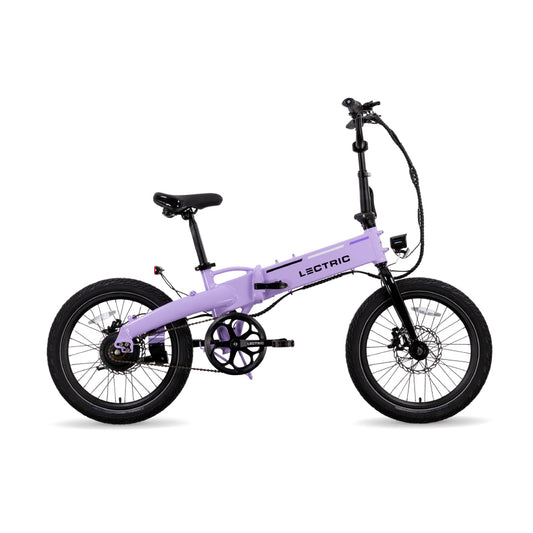
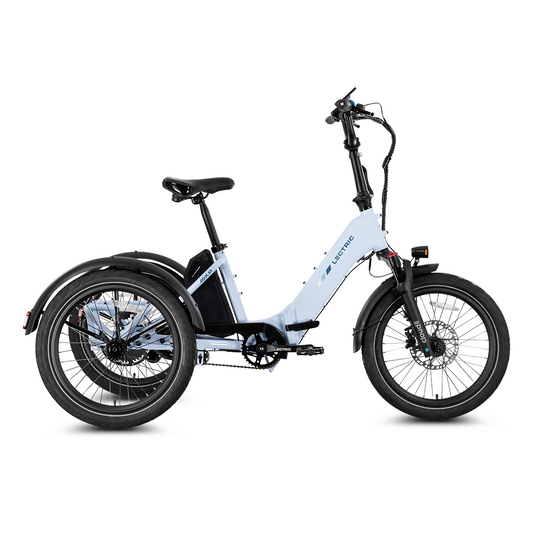
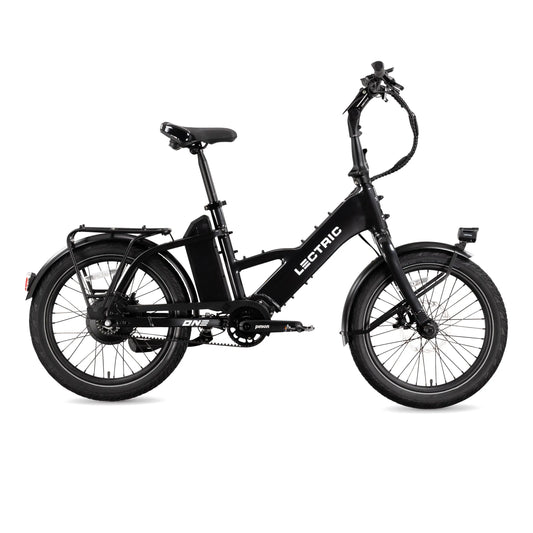
Urban commuters and paved-path riders who value efficiency and simplicity. Available on the XP Lite2, XP Trike2, XPedition2, and Lectric ONE.
20” x 3.0” Tires — Everyday Versatility
This is featured on the most popular Lectric model.
Designed for:
Mixed terrain and riders who want one tire that handles most situations well.
Ride feel:
-
Cushioned over cracks and potholes
-
Confident on pavement, gravel, and dirt
- Stable at low speeds
Good fit for:
Bikes and riders who mix commuting with casual exploring. Available on the XP4.
20” x 4.0” Fat Tires — Stability & Load Support
These wide tires emphasize control and forgiveness.
Designed for:
Riding rough or unpredictable pavement.
Ride feel:
-
Extremely stable at low speeds
-
Excellent shock absorption
- Confident handling under load
Good fit for:
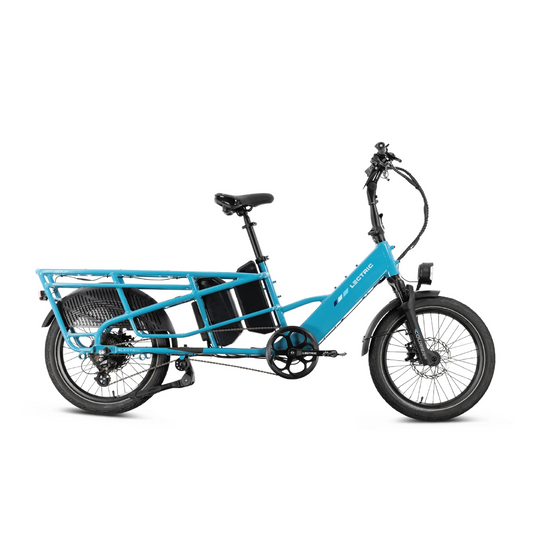
Cargo bikes, off-road bikes, and riders who want maximum stability. Available on the XPeak2.
Snowdrift 26” x 4.0” Studded Tires — Winter Confidence
These are purpose-built winter tires with embedded metal studs.
Designed for:
Ice, packed snow, and cold-weather riding.
Ride feel:
-
Predictable traction in winter conditions
-
Controlled braking on icy surfaces
- Confidence when roads are slick
Good fit for:
Off-road bikes and riders who commute or explore through winter. Available for XPeak.
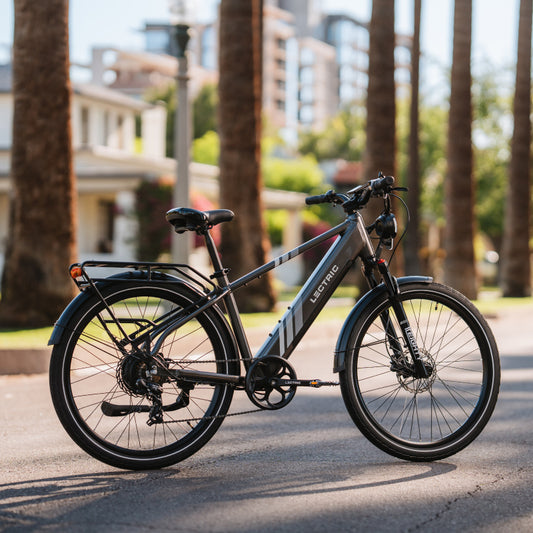
27.5” x 2.1” Tires — Commuter Efficiency & Confidence
This is the closest Lectric tire to a traditional bike setup.
Designed for:
Riders focused on smooth, efficient commuting with a familiar ride feel.
Ride feel:
- Fast and efficient on pavement
- Smooth, predictable handling
- Balanced comfort without excess bulk
Added benefit:
Puncture-resistant design with Slime pre-installed helps prevent flats at no additional cost—so you can ride with extra peace of mind.
Good fit for:
Daily commuters and road-focused riders who want a streamlined, low-maintenance ride. Available on the XPress.
When (and Why) It Makes Sense to Replace Tires
Tires don’t need replacing because they’re “bad”—they’re often replaced because riding conditions or needs change.
1. Wear Patterns
Over time, tread naturally smooths out—especially on pavement.
Signs it may be time to replace:
-
Center tread looks flattened or shiny
-
Reduced grip on wet pavement
- Longer stopping distances
Replacing worn tires restores traction and predictable handling.
2. Seasonality
Some riders keep one tire year-round. Others swap seasonally.
-
Switching to street tires in summer can make paved rides quieter and smoother.
- Switching to studded tires in winter can extend riding months safely.
Seasonal tire changes aren’t required—but they can make riding more enjoyable year-round.
3. Mileage & Use
Mileage varies by rider, terrain, and pressure, but as a general guideline:
-
High-mileage commuters may notice wear sooner
-
Cargo and heavier loads increase tire stress
- Rough surfaces accelerate tread wear
Checking tires every few months helps catch wear early, before performance drops.
4. Changing How You Ride
Sometimes it’s not about wear—it’s about evolution.
-
Commuting more than before? A street tire might make sense.
-
Carrying kids or cargo now? Wider tires can add stability.
- Exploring gravel or dirt paths? Knobbier tread adds confidence.
Upgrading tires to match how you currently ride keeps the bike feeling right.
Pressure Matters More Than Most People Realize
Tire pressure dramatically affects ride feel.
-
Lower pressure:
More comfort and grip, especially on rough surfaces.
-
Higher pressure:
Smoother rolling and more efficiency on pavement.
Even a few PSI can change how the bike feels—experimenting within recommended ranges is one of the easiest ways to fine-tune comfort.
Tires Are a Quiet Upgrade with Daily Impact
Lectric’s tire options exist to match real riders and real riding—not to complicate things.
Understanding tread, width, and timing helps you ride more comfortably, confidently, and predictably—whether that means replacing worn tires, adjusting for the season, or choosing a setup that better fits how you ride today.
Sometimes the smartest changes aren’t dramatic.
They’re the ones you feel every single mile.
