






















Guest Writer: Shannon Murray of Snorkels and Snowpants
When you think of Nevada, chances are Las Vegas comes to mind. But we spent the fall exploring the wild side of the state, and there's so much more to discover!
Did you know that over 80% of Nevada is federally managed land, ranging from national forests and parks to vast stretches of Bureau of Land Management (BLM) acreage? Nevada has the highest percentage of federal land in the country, along with more mountain ranges than any other state.
We entered the state from Utah, with a mandatory stop at the Bonneville Salt Flats. While they are gorgeous and worth a visit, I wouldn’t recommend biking across them. People drive everything across the salt flats, from small cars to big-rig RVs, but the amount of salt that gets caked onto vehicles is insane. We had to scrub our truck twice, and we still had salt in the undercarriage!

Great Basin National Park
Just over the border from Utah, the Great Basin is one of the least visited national parks, and it’s home to diverse landscapes. From desert vistas and alpine lakes to stargazing and cave tours, there’s plenty to do year-round.
During the summer, you can bike the 12-mile scenic Wheeler Peak Drive. Keep in mind, it’s a fairly narrow road that climbs 4,000 feet in elevation, making it a serious challenge. It’s paved all the way and would be beautiful on an early morning before vehicle traffic picks up.
For a more relaxed route, bike from the small town of Baker to the Lehman Caves Visitor Center. It’s just under 6 miles one way, with beautiful views in every direction. The park service offers various levels of cave tours, ranging from shorter accessible tours to introductory wild caving tours. Reservations open 30 days in advance, but if your preferred tour is full, sign up for availability alerts on the park’s website. We received numerous notifications and were able to book the tour we wanted, although, sadly, there were no cancellations for the small group wild caving tours.
We stayed at the Whispering Elms Motel and RV park in Baker, which actually caters to bicyclists on Highway 50, America’s Loneliest Road.

Highway 50: America’s Loneliest Road
Baker is the eastern starting point for exploring Highway 50, dubbed America’s Loneliest Road. Stretching roughly 380 miles to Carson City, it’s considered one of the grandest bike adventures in the United States. While much shorter, it’s on the scale of biking the Alaska Highway.
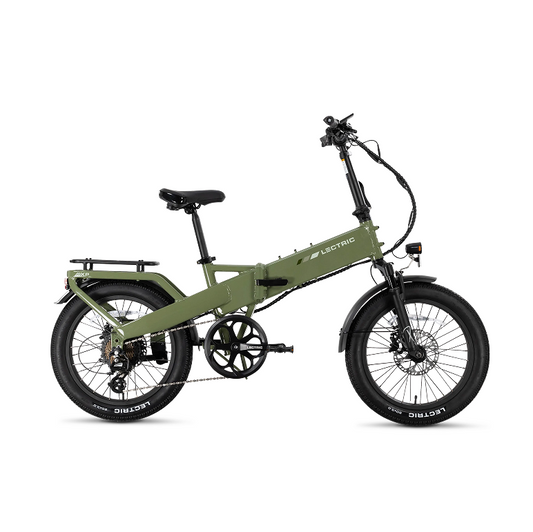
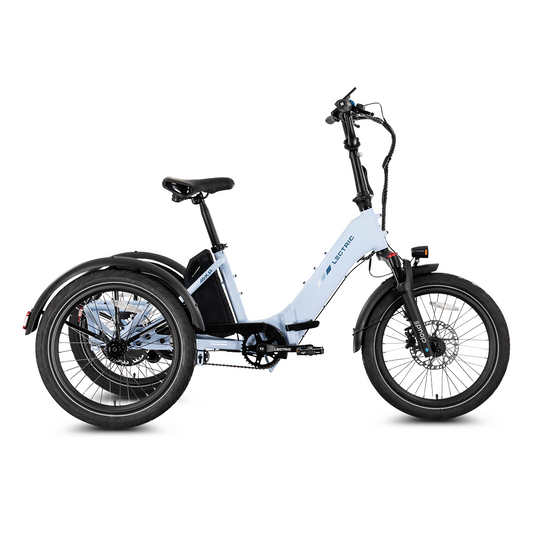
We do love eBiking, but we’re definitely not ready to tackle the Loneliest Road or the Alcan! Fortunately, there’s plenty to explore along the route, whatever your mode of transportation.
About an hour west of Great Basin National Park, check out the Ward Charcoal Ovens State Historic Park. There’s a small campground here, in addition to the park’s namesake charcoal kilns. The six massive, beehive-shaped ovens stand in a row, and visitors can even walk inside them. You'll find a handful of historic charcoal kilns along Highway 50, but these are among the best preserved.

The first sizable town you’ll come to is Ely. It’s home to a number of Old West-style establishments, from casinos and bars to a restaurant where you can dine behind bars. The Ely & White Pine County Gravel Adventure Field Guide offers a comprehensive list of biking options in the area, especially for long-distance trips.
There are plenty of miles between towns, but you'll find some unexpected attractions along the way. Watch for BLM signs pointing toward hot springs, earthquake faults, and other interesting sites scattered throughout the desert.
Austin is another cute little town, reached after one of the steepest descents on the route, where you’ll wind downhill at a rapid 6-8% grade. The town is home to numerous silversmiths and jewelry shops, a nod to the area’s rich mining history.
About 25 miles before the town of Fallon, you can’t miss Sand Mountain. It’s the largest sand dune in the Great Basin at 3.5 miles long and 1 mile wide. It’s a popular off-highway vehicle (OHV) area, as well as a boondocking spot for RVers. It’s worth a stop and is also home to the historic Sand Springs Pony Express Station, one of several Pony Express sites along Highway 50.
Fallon’s claim to fame is its Naval Air Station, home to the real-life Top Gun. If you have base access, there’s an aviation heritage display to explore. In town, anyone can visit the Churchill County Museum.
From Fallon, it’s just over an hour to Carson City and the western end of the Loneliest Highway. Carson City is not only the state capital, but it’s home to so much history. For a glimpse into its past, bike the 2.5-mile Kit Carson Trail, a historic route through downtown.

Lake Tahoe & Reno
For a complete change of scenery, head to Reno and then Lake Tahoe. Incline Village is located on the Nevada side of Lake Tahoe, and it’s incredible in any season.
Summer and fall offer perfect biking weather, and you can’t skip the Tahoe East Shore Trail. Running between Incline Village and Sand Harbor State Park, the trail is three miles each way. It’s fully paved and passes numerous beaches and access points to the lake, with beautiful views the entire way.

For direct access, there’s a paid parking lot right beside Tunnel Creek Cafe, a perfect spot for a pre-ride meal or post-ride drink! You can also park for free at the North Tahoe Nevada Welcome Center, extending your ride by about a mile each way.
For mountain bikers, the Lake Tahoe Flume Trail is world-class. This fourteen-mile trail offers steep climbs and descents, plus narrow sections tucked between boulders on one side and a sharp 1,600-foot drop on the other. The views overlooking Lake Tahoe are incredible, but this is definitely a ride for experienced mountain bikers!
A seasonal shuttle departs from the Tunnel Creek area, taking cyclists to the trailhead at Spooner Lake State Park.
A bit further northwest, the town of Truckee, California, is very bike-friendly. From its charming downtown to numerous paved trails in the area and the Donner Lake Loop Path, there are plenty of options. Tucked in the mountains, it’s a great stop on your way to or from Lake Tahoe.

Tonopah
Leaving the Reno area, we headed to Tonopah. The drive showcases even more of Nevada’s wild side, passing scenic places like Walker Lake and numerous opportunities for side trips to ghost towns, wild horse and burro habitats, and rockhounding sites.
Tonopah is a historic mining town, founded in 1900 when silver was discovered. While the original silver boom eventually faded, mining remains part of the region's identity, and the surrounding area is known for its beautiful turquoise.
In fact, turquoise is what put Tonopah on our itinerary in the first place!

We biked around downtown, where you can explore the historic Mizpah Hotel, shop at the Tonopah Trading Company, and grab a meal at the Tonopah Brewing Company.
Just behind the main street sits the Tonopah Historic Mining Park. Learn about the town’s mining through a self-guided tour, or for a small fee, sign up for a guided Polaris tour.
For a real adventure, book a half or full day mining tour with Otteson Brothers Turquoise. Located some twenty miles outside of town, the mine is reached by a rugged dirt road that climbs uphill to the mine. It’s definitely a 4x4 road!
The views are incredible, and it’s such a quiet, peaceful site. Best of all, thanks to our guide, we even found some beautiful turquoise to take home!
Nevada has so many incredible wild places to explore. From challenging mountain trails to peaceful, paved lakeside routes, there's something for just about every type of cyclist.
Whether you're planning an epic long-distance ride or simply looking for new places to explore on your eBike, I can't encourage you enough to get out there and discover Nevada's wild side!

Next up: Look for our Boulder City eBiking guide!
