




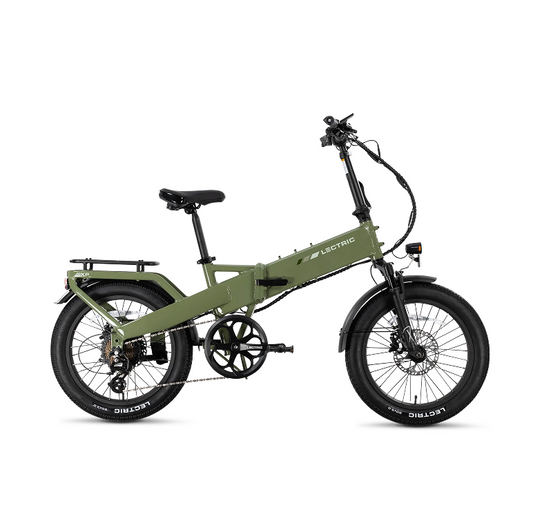
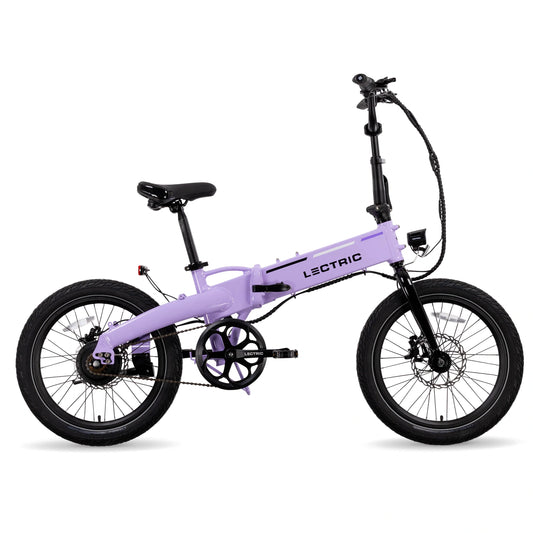
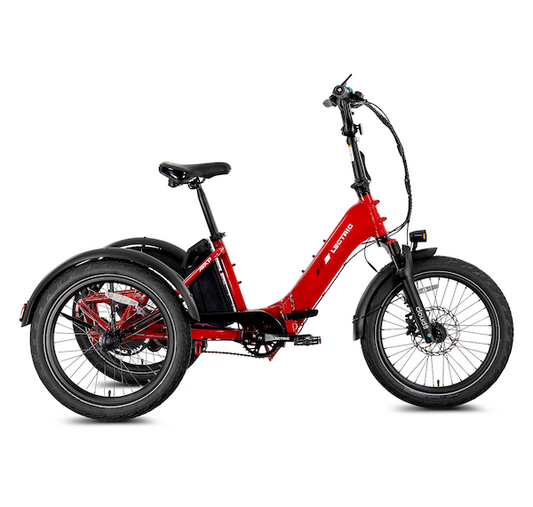


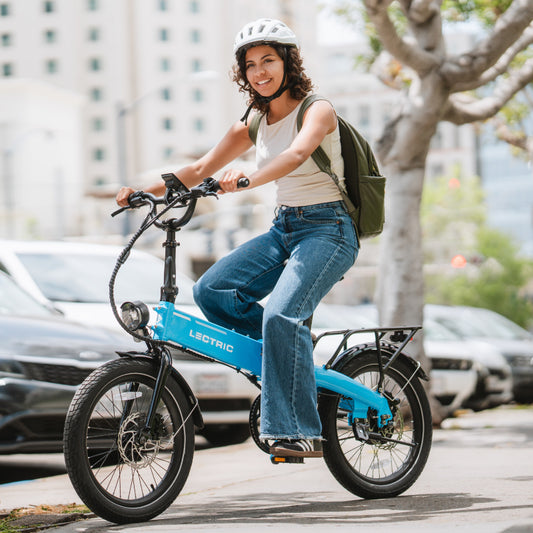
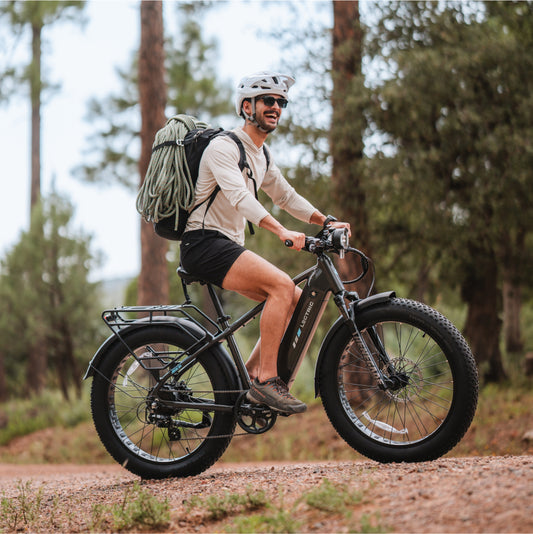
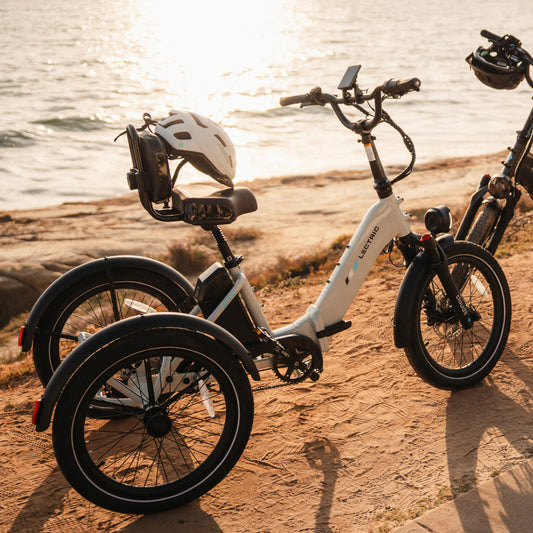





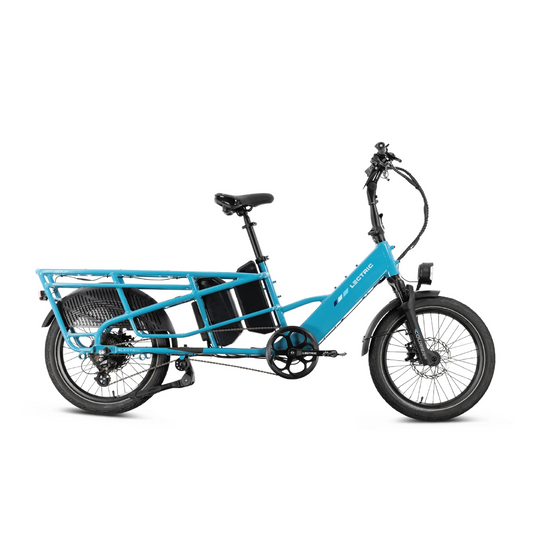
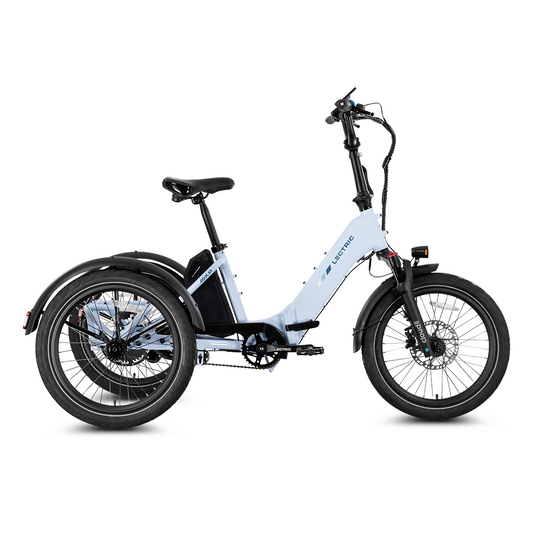
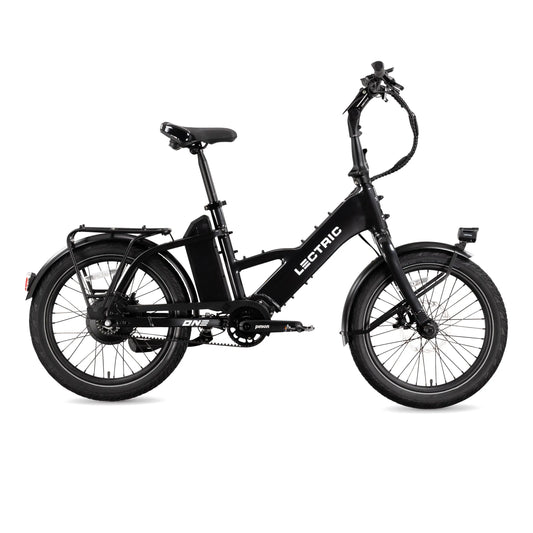





Let’s begin with the obvious.
An eBike cannot replace your car every time.
It will not haul a sectional sofa. It will not make a six-hour road trip significantly less six-hour-ish. It is a questionable choice for transporting a wedding cake, three golden retrievers, or your mother-in-law’s antique armoire.
But most cars do not spend their days hauling furniture.
They spend their days going four miles to work. Two miles to the store. Half a mile through the school pickup line. Across town for coffee. Back across town because somebody forgot shin guards.
That is where the math starts getting interesting.
The real question is not, “Can I throw away my car keys forever?”
It is: How many car trips could become eBike trips before I really started to notice the difference?
The answer may be more than you think.
Cars Are Really Good at Being Cars
We are not here to pick a fight with the automobile. Cars are extremely useful.
They keep you dry. They carry a week’s worth of groceries, several children, and whatever mysterious collection of objects has accumulated in the back seat. They cover long distances quickly. They have cupholders.
The problem is that we use this incredibly capable machine for nearly everything.
Americans made 87% of their daily trips in personal vehicles in the most recent comprehensive National Household Travel Survey. Even after the rise of remote work, 69.2% of U.S. workers still drove alone to work in 2024. Public transit accounted for just 3.7% of commutes.
In other words, most of us have a standard transportation setting: Car.
Going 22 miles? Car.
Going two miles? Also car.
Going around the corner because walking would require putting on different shoes? Believe it or not, car.
An eBike doesn't need to replace the first trip to make an impact. It only needs to start stealing the second and third ones.
Start With the Trips That Barely Deserve an Engine
The easiest car trip to replace is usually not your longest commute. It is the little trip you barely remember making.
The pharmacy run, the post office, a coffee meeting, the gym.
A quick grocery stop for the one ingredient you forgot, followed by three additional ingredients you decided looked good.
These are excellent eBike trips because the distance is manageable, the parking is simpler, and the preparation required is somewhere between “put on shoes” and “remember where you left the helmet.”
Federal transportation data shows the average person-trip in the United States was only 2.9 miles in 2022. That doesn't mean every American is living within a charming three-mile village. It means everyday transportation is made up of a tremendous number of short movements.
An eBike is built to turn those movements into actual rides.
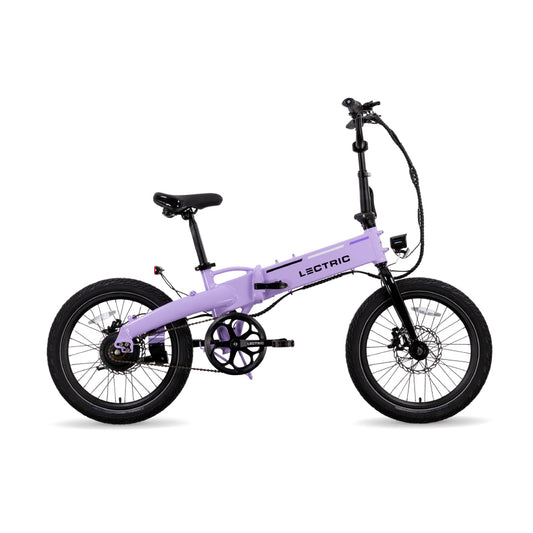
A three-mile trip might be an annoying walk, a very unnecessary car ride, or a downright pleasant few minutes on a Lectric. Pedal assist takes care of the hills, headwinds, and “I do not wish to arrive sweaty” portion of the equation.
The bike doesn't ask you to become a cyclist in the ceremonial sense. No calf-high socks required. Just get on and go.
What Does Replacing 20% of Your Driving Look Like?
The average U.S. motor vehicle traveled roughly 11,071 miles in 2024.
Replace 20% of that mileage and you have moved about 2,200 miles from the car to the bike.
That sounds ambitious until you break it down.
It is about 42 miles per week.
That could be:
- Two five-mile round-trip commutes
- One grocery run
- A couple of school, gym, or coffee trips
- A Saturday ride to lunch
- The occasional mission to retrieve the item your child assured you was already in their backpack
Spread across seven days, 42 miles is not an athletic event. On an eBike, it is a transportation routine.
You don't even need to ride every day. A few strategically chosen trips can remove thousands of miles from a car over the course of a year.
And every mile not driven is a mile that does not consume gas, add wear, require parking, or leave you trapped behind somebody who has apparently just discovered the concept of a four-way stop.

Then There Is the Money
Transportation is the second-largest expense category for many American households. In 2024, the average U.S. household spent $13,318 on transportation (about $1,110 per month). That included an average of $2,411 for gasoline and $1,993 for vehicle insurance.
A newer vehicle is even more demanding.
AAA estimated that owning and operating a new vehicle driven 15,000 miles in 2025 cost an average of $11,577 per year, or about $965 per month. That figure includes expenses such as depreciation, financing, fuel, insurance, registration, and maintenance.
Now, replacing a few errands with an eBike will not make your car payment disappear. Your insurance company will not send a handwritten thank-you note because you biked to the hardware store.
The immediate savings come from things like fuel, parking, tolls, and some reduced wear.
The larger financial opportunity appears when an eBike helps a household to:
- Keep its current car longer
- Avoid adding miles to a newer vehicle
- Delay buying a second car
- Downsize from two cars to one
- Let a teenager get around without immediately adding another vehicle
- Use one family car more intentionally instead of by default
- Could I have carried what I needed?
- Was there a reasonably safe route?
- Would an eBike have made the distance manageable?
That is the distinction that matters.
Replacing 15% of your car’s mileage is useful.
Replacing the need for an entire second car can change a household budget.
The Second Car Is Where Things Get Serious
Many households are not realistically going car-free, but they may be able to become car-lighter.
Picture a married couple with two vehicles.
One person has the longer commute. The other works nearby, works remotely, or mainly drives short errands. Both cars are being financed, insured, registered, maintained, and slowly converted into depreciation.
Now give that household two Lectric eBikes.
Suddenly, the nearby commute becomes rideable. Either adult can make a store run without taking the car. They can meet friends, visit the gym, or handle neighborhood errands independently. The remaining vehicle is still there for bad weather, long trips, major grocery hauls, and those moments when the entire family needs to move as one loud unit.
The eBikes do not replace the family vehicle.
They replace the assumption that every adult needs a vehicle available every minute of every day.
That can be enough to delay the next car purchase for years or eliminate one altogether.
At an average new-car ownership cost approaching $12,000 per year, even postponing a vehicle purchase deserves more attention than shaving a few cents off the price of gas.
Charging an eBike Costs Almost Comically Little
Gas prices change. Electricity rates change. Your neighbor will still tell you what gasoline cost when he was 17.
But the scale is not especially close.
The average U.S. residential electricity rate was 17.3 cents per kilowatt-hour in 2025.
Depending on battery size and charging losses, a typical eBike charge may use around half to one kilowatt-hour of electricity. At the national average rate, that puts a full charge somewhere in the broad neighborhood of a dime or two.
Not per mile... Per charge.
You could charge an eBike many times for the price of one gallon of gas. It is one of the rare modern expenses that still feels like somebody forgot to update it.
Of course, eBikes have costs. Tires wear out. Brake pads need replacing. Chains require attention. Accessories have an alarming ability to follow you home.
But you will not encounter an eBike repair estimate featuring a catalytic converter, eight hours of labor, and a service advisor slowly removing their glasses before delivering the news.
What About Groceries, Kids, and Actual Life?
This is usually where the skeptical eyebrow goes up.
A bike is fine for one person, but families have cargo. Families have schedules. Families somehow leave the house with nine water bottles and return with four.
This is where the idea of a household eBike fleet becomes far more useful than imagining one heroic commuter doing everything alone.
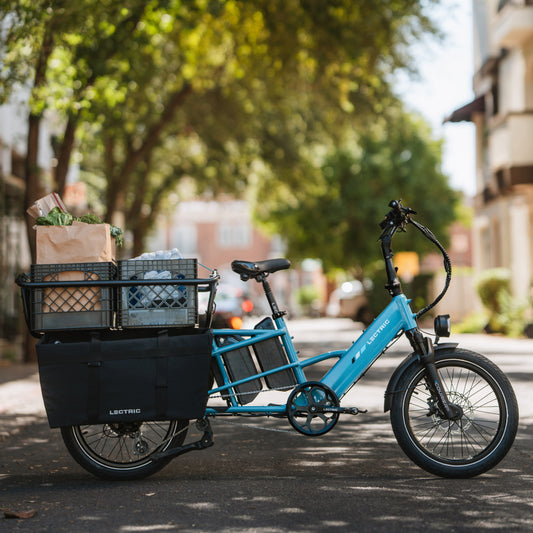
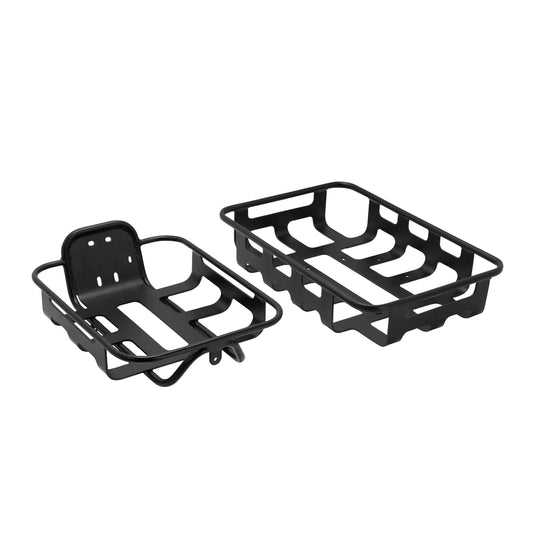
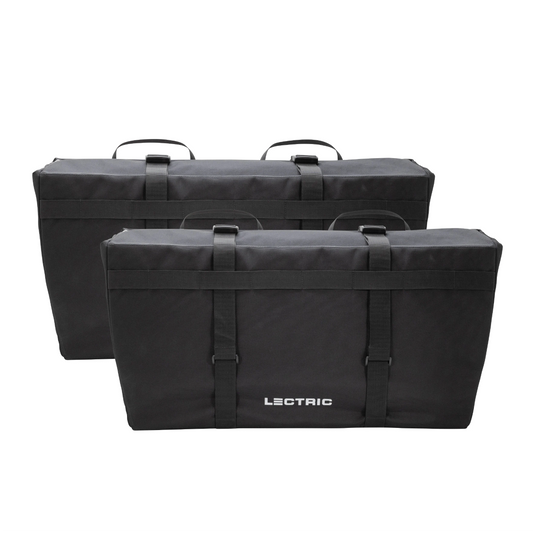
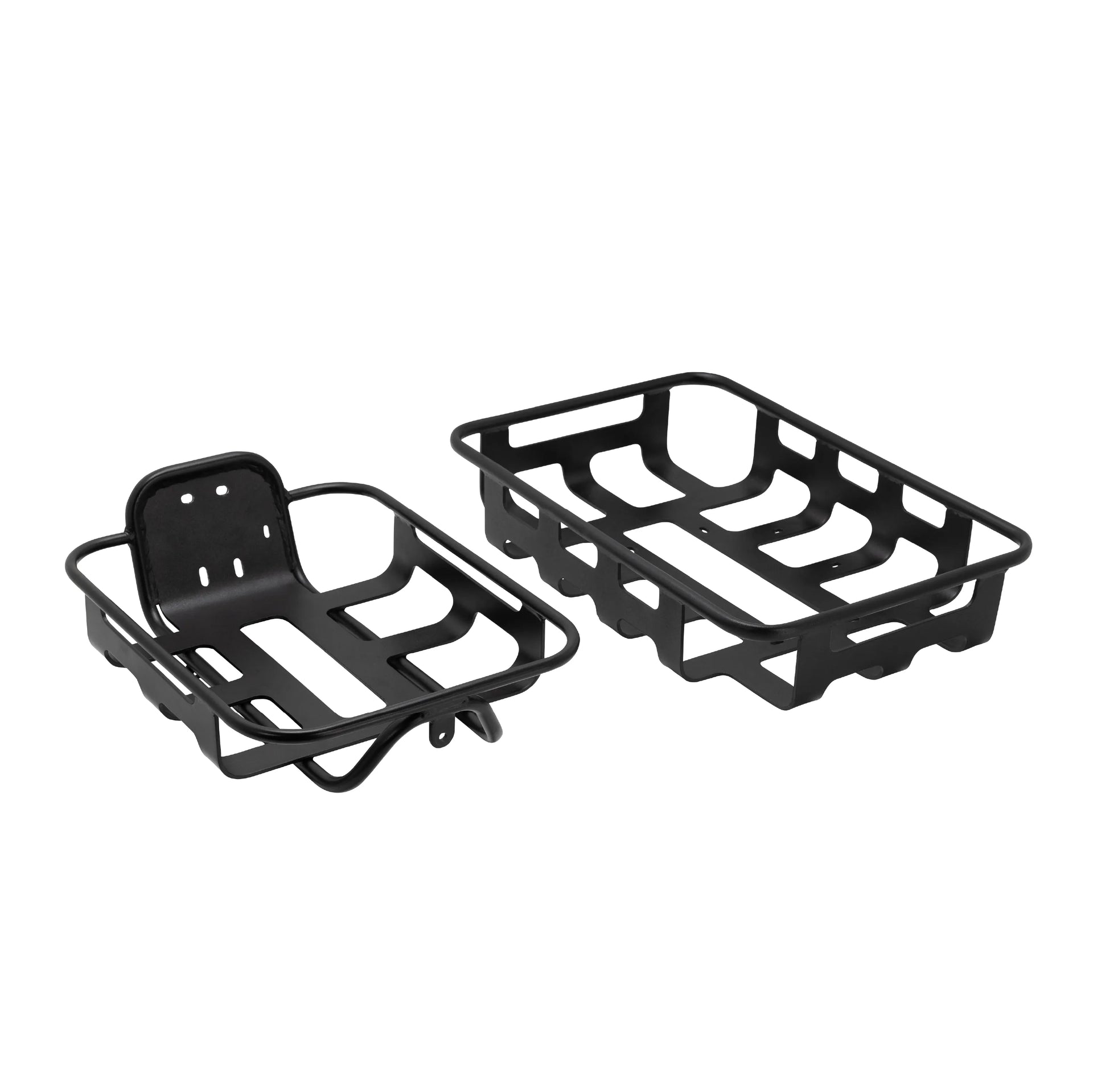
A couple might have two bikes set up differently: one geared toward commuting and the other equipped with racks, baskets, or cargo accessories.
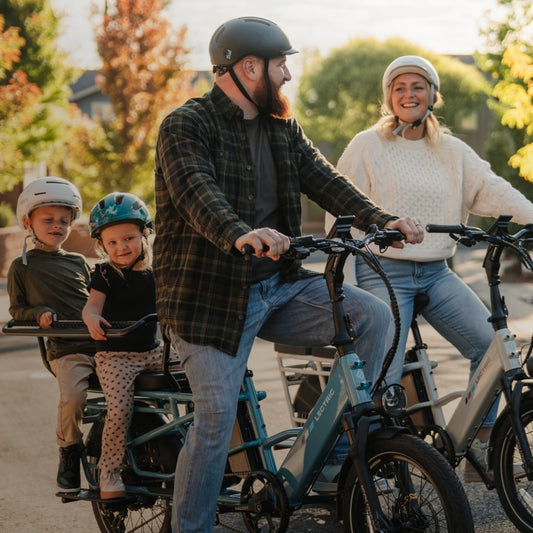
A family might have multiple adult eBikes, a passenger-capable setup where appropriate, and traditional bikes for older kids. One parent can ride to an activity while the other keeps the car. Two family members can split up without needing two automobiles. A quick errand no longer requires six people to buckle into a rolling living room.
The right setup depends on rider ages, local laws, cargo needs, and the specific bike. Safe passenger carrying requires approved seating, proper equipment, and close attention to each model’s limits.
But the principle is simple:
One bike does not have to replace one car. Several bikes can replace a surprising amount of household driving.
That is a much more practical idea.

City, Suburbs, and Rural Roads Play Differently
In a city, an eBike can compete with a car on more than cost.
It may bypass traffic, reduce parking hunts, and connect more naturally with trains or buses. Public transportation can handle the long portion while the bike solves the awkward first and last mile.
The suburbs may offer the biggest untapped opportunity.
Many suburban destinations are too far apart for comfortable walking but close enough for an eBike. Schools, grocery stores, parks, restaurants, and shopping centers may sit within a five-or-ten-mile radius. A car has traditionally been the only reasonable option. Pedal assist changes what “reasonable” means.
Rural riders face longer distances, faster roads, and less connected infrastructure. That may reduce the percentage of trips an eBike can replace, but it does not reduce the value of the trips it can handle.
A rider may use an eBike for trips into town, visits to nearby neighbors, work around a large property, campground transportation, or recreation that otherwise would involve starting a truck. Longer-range setups and spare-battery strategies can widen the radius.
An eBike in a rural area may not replace 40% of someone’s driving.
Replacing 10% still counts.
So does leaving the truck parked for every small task within a few miles.
Weather Is Real. So Are Jackets.
Weather matters.
Heavy rain, snow, extreme heat, strong wind, and icy roads can make riding unpleasant or unsafe. Nobody receives bonus points for pretending otherwise.
The goal is not to sign an oath promising never to drive when the temperature drops below 62 degrees.
The goal is to identify the large number of days when riding is perfectly reasonable.
Fenders help. Lights help. Layers help. Bags and baskets help. Leaving five minutes earlier helps. On genuinely bad days, take the car.
A flexible transportation plan is better than a purity test.
Time Is Not Always Lost When You Ride
People often compare car and eBike travel using only the moving time.
The car says 14 minutes. The eBike says 21. Case closed.
Except the car trip may also involve traffic, finding parking, walking from the parking spot, and wondering whether the meter app actually processed your payment.
The eBike can often park near the destination. Its travel time is more predictable on congested routes. It also turns transportation time into movement, fresh air, and a small break from staring through glass.
You may spend seven more minutes getting somewhere and save 30 minutes you would have tried to find later for exercise.
That is not slower. It is multitasking without a screen.

Your Replacement Percentage Will Be Personal
Some riders can replace nearly every local car trip.
Some can replace the commute but not family transportation.
Some will use an eBike three times a week and quietly remove 1,500 vehicle miles per year.
All of those outcomes are worthwhile.
A good starting exercise is to look back at the last seven days and count every car trip under five miles. Then ask three questions:
Do not include every theoretical ride. Include the ones you would genuinely take.
Maybe you find two.
Maybe you find ten.
That is your replacement percentage not a national average, not a lifestyle label, and not something decided by a person online who owns 14 pairs of cycling glasses.
The Best Car Replacement May Be a Better Relationship With Your Car
An eBike does not have to make you anti-car. It may simply make you less dependent on one.
You can save the car for the jobs it performs best: long distances, rough weather, heavy cargo, and moving the entire crew. Meanwhile, the eBike handles the daily traffic of life—the nearby commute, the small errand, the trip to the park, the forgotten ingredient, the ride to a friend’s house.
The car accumulates fewer miles.
The gas tank lasts longer.
Parking becomes somebody else’s problem.
You move more without scheduling another workout.
And a household with a few Lectric eBikes gains something that does not show up neatly in a spreadsheet: options.
One person can take the car. Another can take a bike. The kids can join the ride. The family can travel together or split in different directions without assigning a motor vehicle to every movement.
So, how much can an eBike replace your car?
Maybe 10%.
Maybe half.
Maybe just enough to avoid buying the next one.
That last percentage could be worth quite a bit.

