




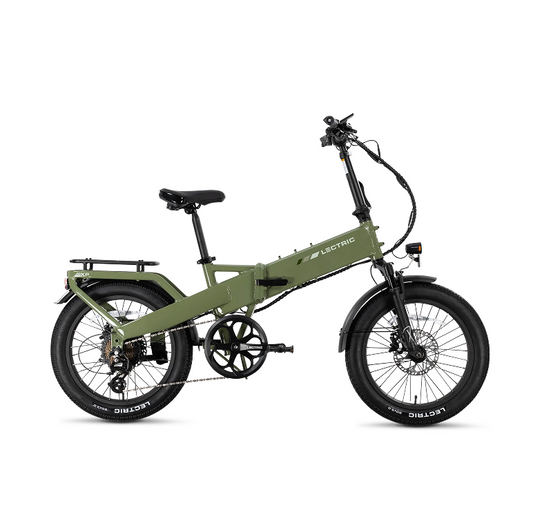
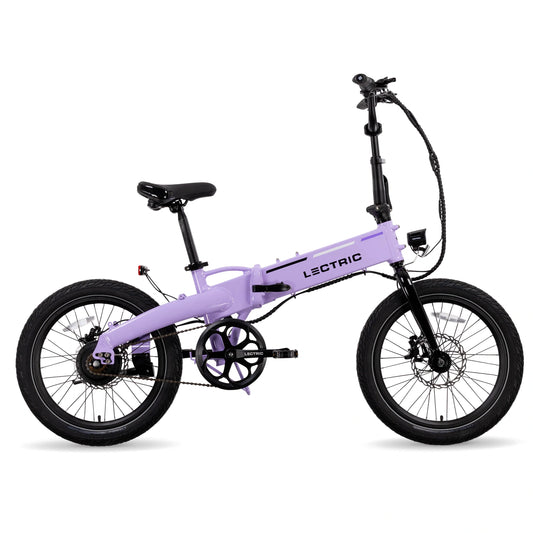
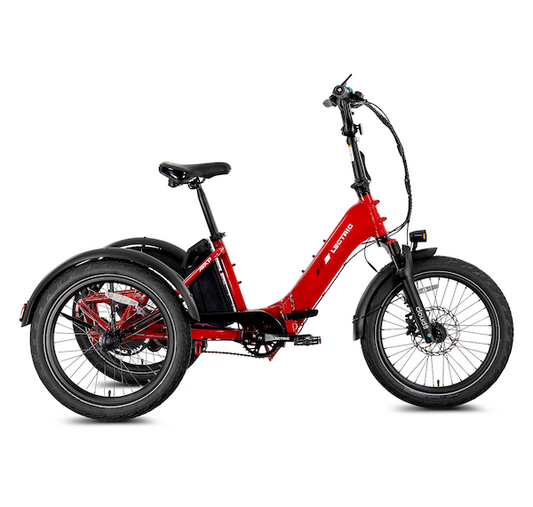



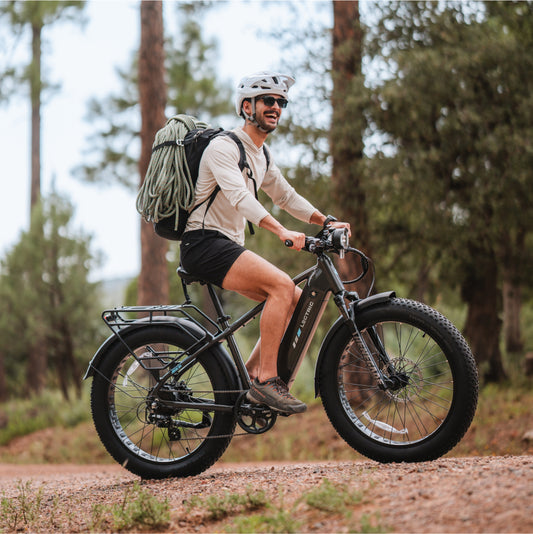















Finding great places to ride shouldn’t feel like decoding a treasure map—or worse, rolling the dice and hoping the “trail” isn’t a dead-end sidewalk behind a strip mall. Whether you’re new to eBiking or just new to your area, the good news is this: there are more rideable trails near you than you probably realize. The trick is knowing what kind of trail you want—and how to find it with confidence.
Let’s break it down, starting with the types of trails that tend to excite eBike riders the most, then moving into the practical tools and tactics for finding, understanding, and navigating them like a local.
The Main Types of Trails eBike Riders Love
Not all trails are created equal—and that’s a good thing. Different surfaces, scenery, and rules create different riding experiences. Knowing the difference helps you match the trail to your bike, your mood, and your goals.
Paved Trails
These are the smooth, predictable favorites—often former rail lines or city-maintained paths. Think riverwalks, greenways, and long scenic corridors that connect parks or neighborhoods.
Why riders love them:
- Beginner-friendly
- Great for fitness, commuting, or casual cruising
- Usually well-marked and easy to navigate
Watch for: Pedestrians, kids, dogs, and speed limits. These are shared spaces—ride friendly.
 Multi-Use Trails
Multi-use trails can be paved or unpaved and are designed for a mix of cyclists, walkers, runners, and sometimes equestrians.
Why riders love them:
- Versatile and accessible
- Often longer and more connected than single-purpose paths
- Great for social rides or family outings
Watch for: Yield rules, posted eBike class restrictions, and peak traffic hours.
Gravel Trails
Gravel paths and roads sit in the sweet spot between pavement and dirt—less traffic, more texture, and a strong sense of adventure without full technical riding.
Why riders love them:
- Quiet, scenic, and less crowded
- Forgiving surface with the right tires
- Perfect for long, exploratory rides
Watch for: Loose sections, washboarding, and changing conditions after rain.
Forest & Nature Trails
These include dirt paths winding through wooded areas, state parks, or protected land. They’re often wider than singletrack and designed for recreation.
Why riders love them:
- Cooler temps and shade
- Immersive, peaceful riding
- Great balance of nature and accessibility
Watch for: Seasonal closures and specific eBike access rules.
Off-Road / Doubletrack
Doubletrack trails are wider dirt paths often used by service vehicles, fire roads, or ranch access. They’re rugged but manageable.
Why riders love them:
- Feel adventurous without being overly technical
- Great climbs and descents
- Ideal for torque-happy eBikes
Watch for: Steep grades, erosion, and limited cell service.
Singletrack
Narrow, winding trails originally built for hiking or mountain biking. These are the most technical and most regulated.
Why riders love them:
- Flow, challenge, and skill development
- Immersive riding experience
Watch for: Many singletrack trails restrict or prohibit eBikes. Always check before you ride.
Scenic & Destination Trails
These aren’t defined by surface so much as payoff—coastal paths, canyon rides, lakeside loops, or overlooks that make you stop and stare.
Why riders love them:
- Big views, big vibes
- Ideal for photo stops and slower cruising
- Great motivation for longer rides
Watch for: Tourist traffic and limited parking.
How to Actually Find Trails Near You
Now for the practical part: finding trails without wasting time or ending up somewhere sketchy.
Trail Discovery Apps (Your New Best Friends)
A few apps consistently rise to the top for eBike riders:
- AllTrails – Great for discovering local paths, reading reviews, and understanding elevation and difficulty.
- Trailforks – Excellent for off-road, forest, and mountain-style trails with detailed maps and status updates.
- Komoot – Fantastic for building custom routes across mixed terrain.
- Strava – Heatmaps show where people actually ride, which often reveals unofficial or lesser-known routes.
Pro tip: Use filters. Look for trail length, surface type, elevation gain, and user photos. If people are riding it on bikes, chances are you can too.

Local Forums & Community Intel
Sometimes the best trails aren’t labeled “trail” at all.
- Local cycling Facebook groups
- Reddit city or region threads
- Bike shop bulletin boards
- City parks department websites
Search phrases like “best bike paths near [your city]” or “gravel rides in [your county].” Locals love to share their favorites—especially quieter ones.

City & Regional Trail Maps
Many cities quietly maintain excellent trail systems that don’t show up well in generic search results.
Check:
- City Parks & Recreation pages
- Regional transportation authorities
- Greenway or open-space initiatives
These often include PDFs showing parking areas, trailheads, restrooms, and connections—huge confidence boosters for first-time visits.

Interpreting Trail Info Like a Pro
Not all trail descriptions are created equal. Learning how to read between the lines saves frustration.
Distance & Elevation
A “5-mile trail” can feel wildly different depending on elevation gain. Look at total ascent—not just length.
Recent Reviews
- Scan the latest comments for:
- Construction or closures
- Mud, sand, or washouts
- Crowding levels
Photos
User photos tell the truth about surface quality, shade, and trail width.
Rules & Access
Check for eBike class restrictions, speed limits, and seasonal access. Respecting access keeps trails open for everyone.
Getting There: Trailheads, Parking & Access
Finding the trail is only half the battle.
Trailhead Navigation
Most apps include trailhead coordinates—pin them directly into your maps app to avoid wandering.
Parking Tips
- Look for “designated trail parking” notes in reviews
- Scout via satellite view
- Arrive early on weekends
Navigating the Ride (Without Stopping Every 200 Yards)
Once you’re rolling, staying oriented matters—especially on longer or unfamiliar routes.
This is where having your phone mounted, visible, and secure becomes a game-changer. Glancing at your map, checking distance, or rerouting mid-ride is safer and easier when your phone isn’t buried in a pocket.
A sturdy phone mount from Lectric eBikes keeps navigation, ride stats, and trail info right where you need it—hands on the bars, eyes forward, stress low.
Riding Smarter, Not Just Farther
For newer riders:
- Start with loops, not out-and-backs
- Choose familiar surfaces first
- Ride during daylight hours
For experienced riders:
- Stack trails together
- Use elevation profiles to plan effort
- Explore off-peak hours for quieter rides
After the Ride: Review & Pay It Forward
Trail reviews aren’t just helpful—they’re how communities stay informed. Share things like:
- Surface conditions
- Crowding levels
- eBike friendliness
- Parking tips
Your two-minute review might save someone else a wasted trip—or inspire their next favorite ride.
The Big Picture
Finding trails near you isn’t about chasing epic destinations. It’s about unlocking what’s already around you—the paths you pass every day without noticing, the quiet routes hiding behind neighborhoods, the scenic loops waiting five minutes from home.
With the right tools, a little curiosity, and a bike that’s built to go where curiosity leads, your riding world gets a whole lot bigger.
And once you start looking? You’ll never stop finding new places to ride.