






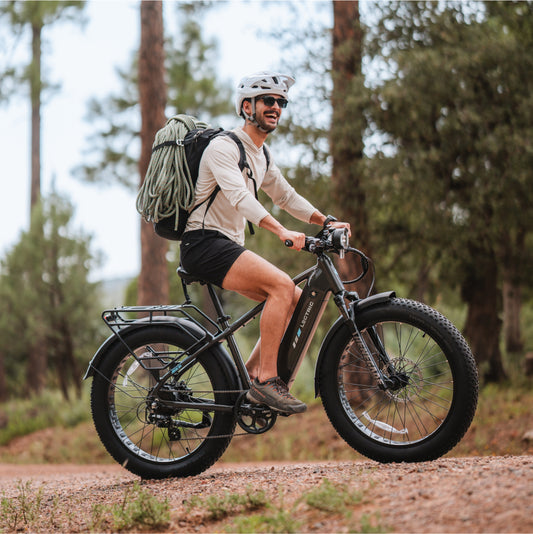
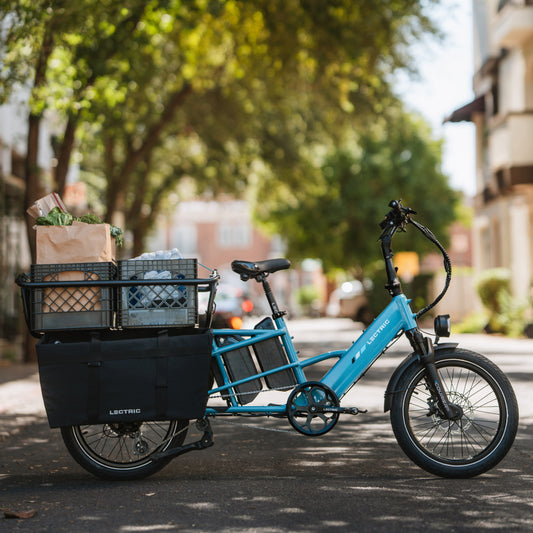
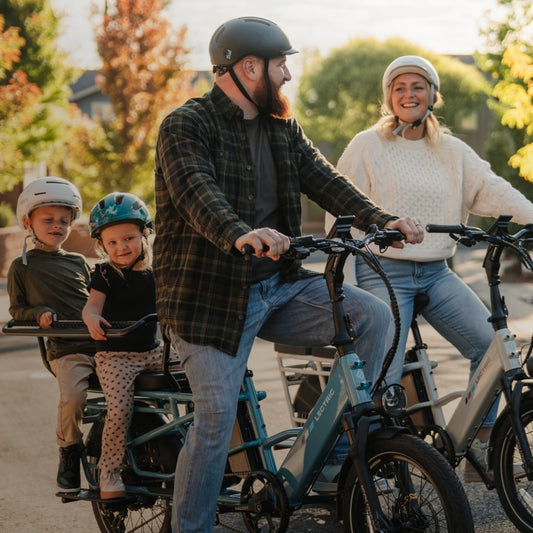
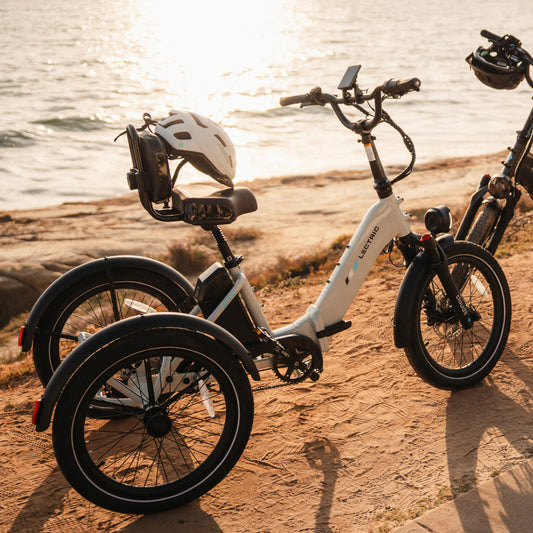
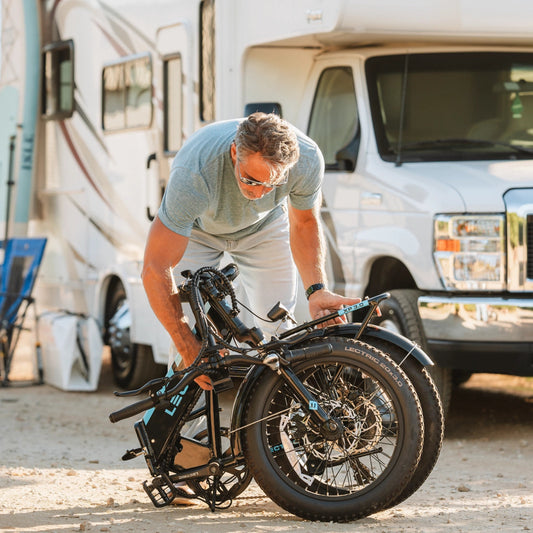

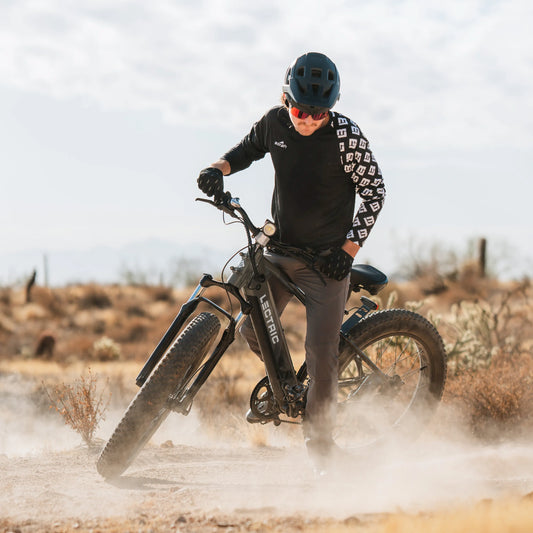
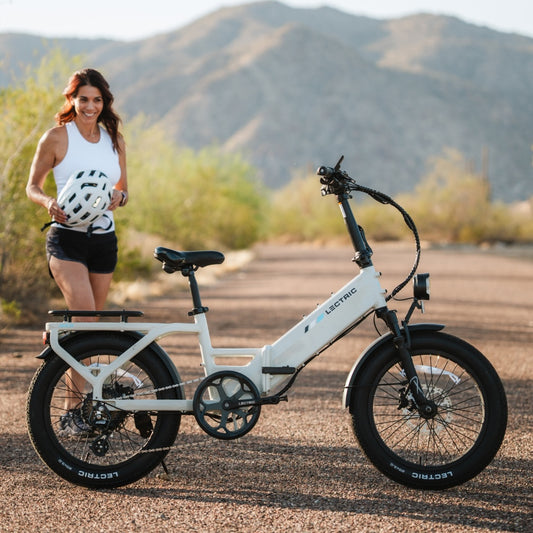
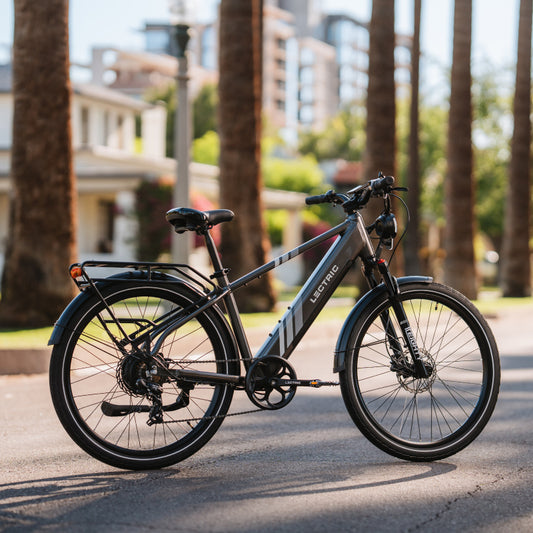


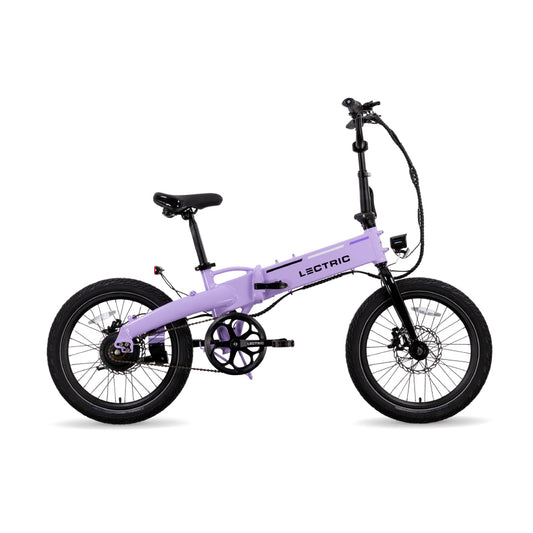
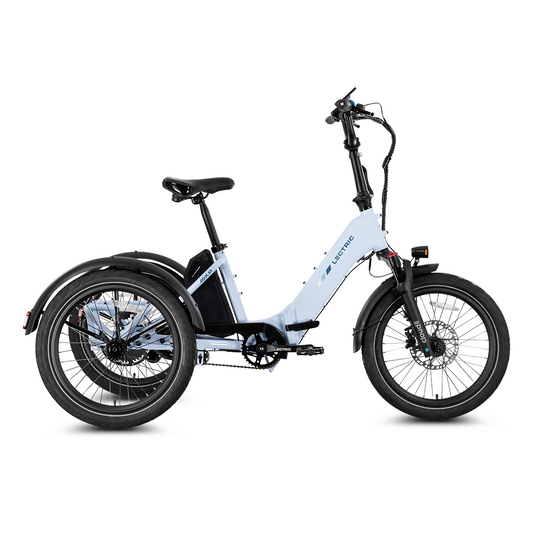

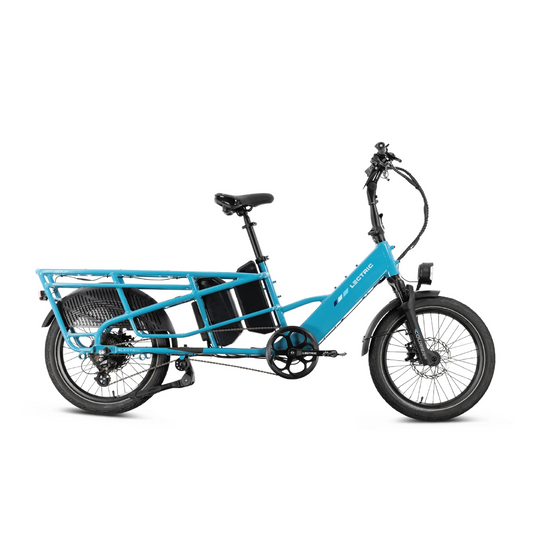
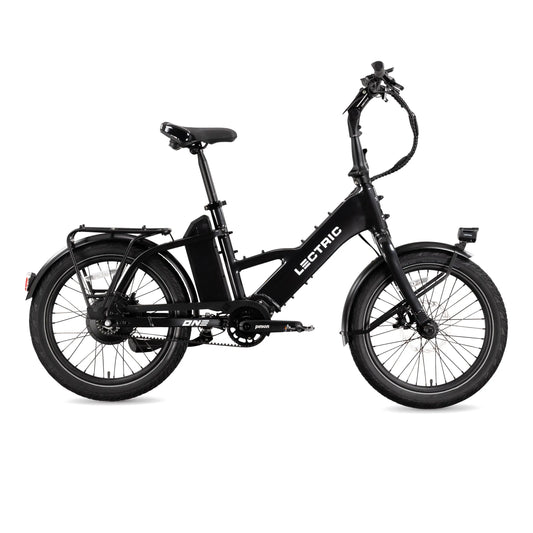



There are eBikes built for bike paths.
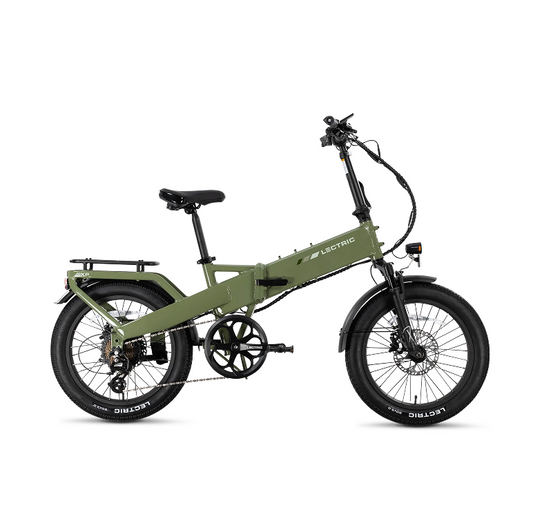
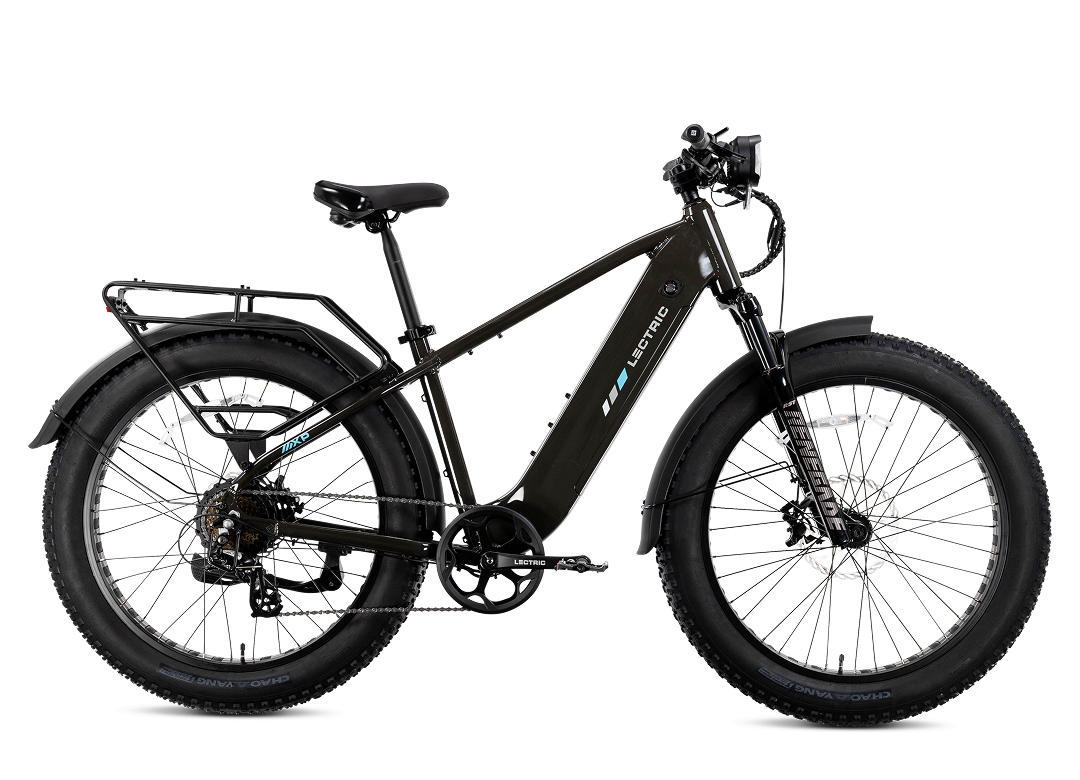
And then there’s the XPeak2.
If the rest of the lineup is built for commute, cargo, and everyday practicality, the XPeak2 is the one that looks at the map, squints at the dotted line, and says, “Let’s see what’s back there.”
This is the trailhead finder. The gravel road gambler. The “we’ll be fine” machine.
And if you’ve ever felt the itch to leave the pavement without fully committing to hardcore mountain bike culture, this post is for you.
Let’s talk inspiration — and practical, real-world know-how — for riding mud, gravel, loose trail, desert hardpack, and everything in between.
 Why Off-Roading Changes Everything
There’s something different about riding dirt.
It’s quieter.
There’s no traffic..
It feels like play instead of transportation.
Off-road riding slows your mind down and sharpens your senses at the same time. You’re reading terrain. Picking lines. Adjusting body position. Feeling traction.
And on the XPeak2, you’re doing it with confidence.
The geometry, the tires, the suspension, the torque — it’s built to absorb chatter, claw through loose sections, and stay stable when things get unpredictable.
You don’t need to be a lifelong mountain biker.
You just need curiosity.
Gravel: The Gateway Surface
Gravel is where most off-road journeys begin.
It’s approachable. Scenic. Everywhere — fire roads, canal paths, ranch roads, national forest access routes.
It’s also where you start building skill.
How to Ride Gravel Well
1. Stay loose.
Death-gripping the bars is the fastest way to feel unstable. Keep a light grip and let the bike move slightly beneath you.
2. Shift your weight back slightly.
Not dramatically — just enough to keep the front wheel from digging into deeper patches.
3. Look where you want to go.
Your body follows your eyes. Don’t stare at the loose rocks — look through the turn.
4. Smooth throttle input.
The XPeak2 has torque. Use it deliberately. On gravel, rolling on power is better than punching it.
Pro tip: Lowering tire pressure slightly (within recommended range) can increase grip and comfort on looser surfaces.
Gravel builds confidence. Confidence leads to dirt.
Hardpack Trail: Flow State Territory
Hardpack is where the XPeak2 feels athletic.
This is the smooth dirt you’ll find in desert singletrack, pine forests, and rolling backcountry trails. It’s predictable. Fast. Fun.
How to Ride It Like You Mean It
1. Neutral body position.
Stand lightly on the pedals, knees and elbows bent. Let the suspension and your body absorb small bumps.
2. Brake before the turn, not in it.
Scrub speed while upright. Release slightly as you lean into corners to keep traction steady.
3. Stay centered.
On slight climbs, lean forward. On descents, shift your hips back — but stay balanced over the bike.
This is where you feel capability without chaos.
Stable. Composed. Ready for more.
And with pedal assist, climbs that used to feel punishing now feel playful.
Mud: Respect It or It Wins
Mud is fun — until it’s not.
It adds unpredictability. It steals traction. It tests your inputs.
But with the right approach, it’s incredibly satisfying.
Mud Strategy 101
1. Keep momentum.
Stopping in deep mud is a commitment. Maintain steady forward motion.
2. Stay seated for traction.
Keeping weight over the rear wheel can improve grip when climbing slick sections.
3. Avoid sudden steering inputs.
Quick bar turns in mud = front wheel washout.
4. Feather the brakes.
Abrupt braking locks tires. Smooth, progressive pressure is key.
5. Accept the mess.
You’re going to get dirty. That’s the point.
After a muddy ride, rinse the bike, wipe down the drivetrain, and relube the chain. Mud is fun — neglecting maintenance isn’t.
 Sand & Loose Over Hard: The Desert Test
For riders in Arizona, Nevada, Utah, or anywhere with decomposed granite and sandy washes — this terrain deserves its own section.
Loose over hardpack feels stable… until it doesn’t.
How to Stay Upright
- Keep speed steady. Too slow and the front wheel wanders.
- Weight back slightly. Let the front tire float.
- Don’t fight small deflections. The bike will wiggle — that’s normal.
- Commit through sandy patches. Hesitation is worse than confidence.
This is where wider tires shine. They distribute weight and increase float.
It’s not about muscling through. It’s about letting the bike work.
Hills: Climbing & Descending with Control
The XPeak2 was built to handle elevation change.
Climbing
- Shift into an appropriate gear before the climb.
- Keep cadence steady.
- Lean forward to keep the front wheel planted.
- Let pedal assist support — not replace — your effort.
Climbing dirt is about rhythm, not aggression.
Descending
- Lower your heels slightly.
- Shift hips back.
- Keep eyes scanning ahead.
- Modulate both brakes — more rear for stability, front progressively for stopping power.
Descending off-road isn’t about bombing hills. It’s about control and composure.
Reading the Trail Like a Pro
Off-road riding is part physical, part mental.
You’re constantly asking:
- Is that darker patch soft?
- Is that rock embedded or loose?
- Does that line hold traction?
A few universal rules:
- Smooth surfaces often mean better grip.
- Shiny or wet areas are usually slick.
- Ruts guide your wheel — commit or avoid early.
- Small adjustments beat last-second corrections.
Over time, you develop “trail vision.”
The XPeak2 gives you the stability to learn it.
What to Carry (Because Off-Road Is Off-Grid)
If you’re venturing beyond pavement, preparation matters.
- Water (more than you think)
- Small pump or CO₂
- Basic multi-tool
- Spare tube
- Phone mount for navigation
- Snacks (trust us)
Exploration feels better when it’s responsible.
The Mental Shift: Ride, Don’t Rush
Off-road riding is not about average speed.
It’s about immersion.
It’s stopping to take the photo.
It’s choosing the longer loop.
It’s turning around when the view gets ridiculous.
The XPeak2 isn’t trying to win a race.
It’s built to expand your map.
Who Is the XPeak2 For?
- The commuter who wants weekend adventure.
- The gravel curious.
- The rider who used to ride dirt bikes.
- The parent who wants to take the “long way home.”
- The explorer who sees fire roads as invitations.
You don’t need to be extreme.
You need a bike that isn’t nervous when the pavement ends.
Maintenance After the Romp
Off-road capability means off-road responsibility.
After your ride:
- Rinse off dirt (avoid high-pressure spraying bearings).
- Dry and relube the chain.
- Check tire pressure.
- Inspect brake pads for excessive grit wear.
- Wipe suspension stanchions clean.
Ten minutes of care extends months of performance.
Start Small. Then Go Further.
You don’t need to drop into technical singletrack tomorrow.
Start with:
- Gravel canal paths.
- Forest service roads.
- Mild dirt loops near town.
- Mixed-surface neighborhood connectors.
Confidence builds fast.
And once it does?
You’ll start scanning satellite maps for dotted lines.
Ready to Romp?
The world outside your neighborhood is bigger than you think.
Gravel roads lead somewhere.
Dirt paths loop back.
Mud washes clean.
The XPeak2 isn’t about escaping reality.
It’s about expanding it.
So air down slightly.
Loosen your grip.
Lean into the line.
And take the long way home.

